Justin Markussen-Brown
Work Experience
Assistant Professor, UCL University College
Author (my books are in Danish)
Founder, Sprogklar ApS (transferred in 2025)
Education
2015: Ph.D., University of Southern Denmark
2011: M.A. in Linguistics, Aarhus University
2009: B.A. in Linguistics, Memorial University of Newfoundland
Growing up Danish without Danish language skills
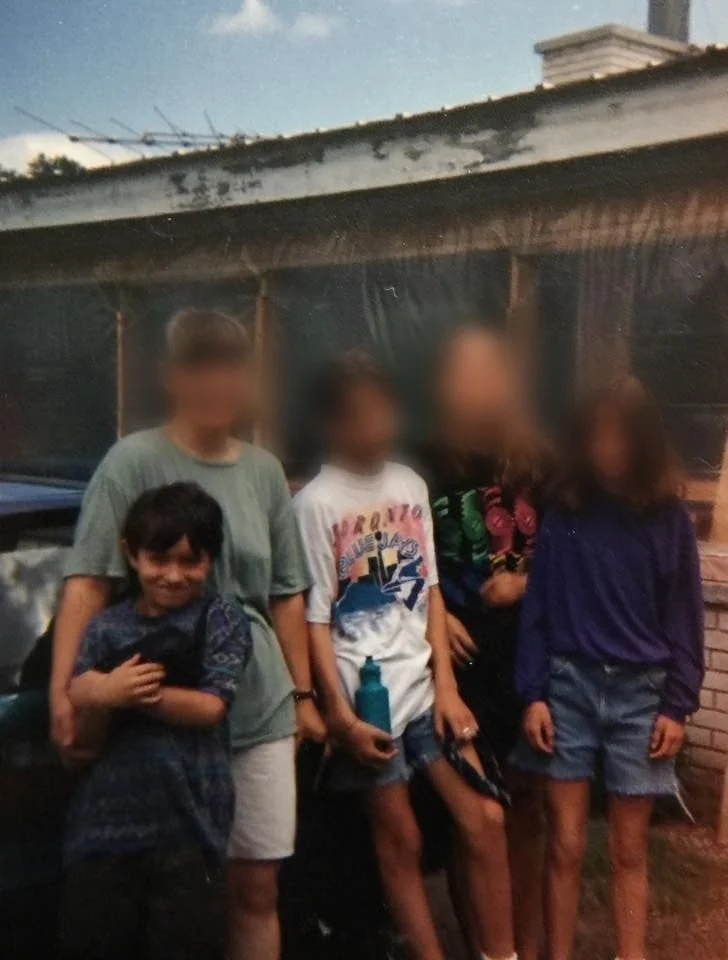
My mother is Danish, and my father was Canadian. They met in Europe in the 1970s and decided to settle in Canada. At first, they lived in Toronto, but soon moved to northern Canada, where they worked as school teachers in remote communities. Like most couples, they had children — four, to be precise, and I was the youngest.
Although my mother initially spoke Danish to her children, she discovered that it was very difficult to use the language in everyday life when her partner didn’t understand it, and when they were surrounded by another dominant language. By the tim I was born, English had become the language we were raised in. Ten days after my birth, my father died unexpectedly, and my mother raised us alone. In that sense, our childhood was very Danish-influenced — our only parent was Danish — but we could neither understand nor speak the language. When our mother talked on the phone with her family in Denmark, it sounded as if she were speaking some magical code.
As I grew up, I became very curious about our Danish heritage. As a teenager, I started traveling to Denmark during the summers to meet my cousins. These trips only deepened my fascination with my Danish background, but I also realized that my limited Danish skills were a barrier. Not just in the most basic sense like being able to order a coffee, but, and more importantly, I didn’t fully understand Danish culture — my own heritage.
Later, I began studying linguistics at Memorial University of Newfoundland and decided to use my Danish passport to travel to Denmark for a year to finally learn the language. It was an amazing year: I studied hard and passed my Danish exam before the year ended. Learning Danish allowed me to pursue further studies in Denmark, and I eventually completed a Master’s and a Ph.D. here. But most importantly, I began to understand my own heritage and cultural background, and begin to integrate it into my own identity in a way I felt good about.
I have now lived in Denmark since 2007 and have enjoyed reconnecting with my Danish roots, even if it hasn’t always been smooth sailing. During my first years in Denmark, I caught myself downplaying my Canadian roots, mostly because I experienced many comments about not being a “real Dane.” But as I got older, I came to the realization that it is a strength to have a bicultural background, and today I’m a proud Danish Canadian.
I share this personal story because many others go through a similar process, and because it underpins why I am so passionate about the language parents pass on to their children.
Becoming a Parent
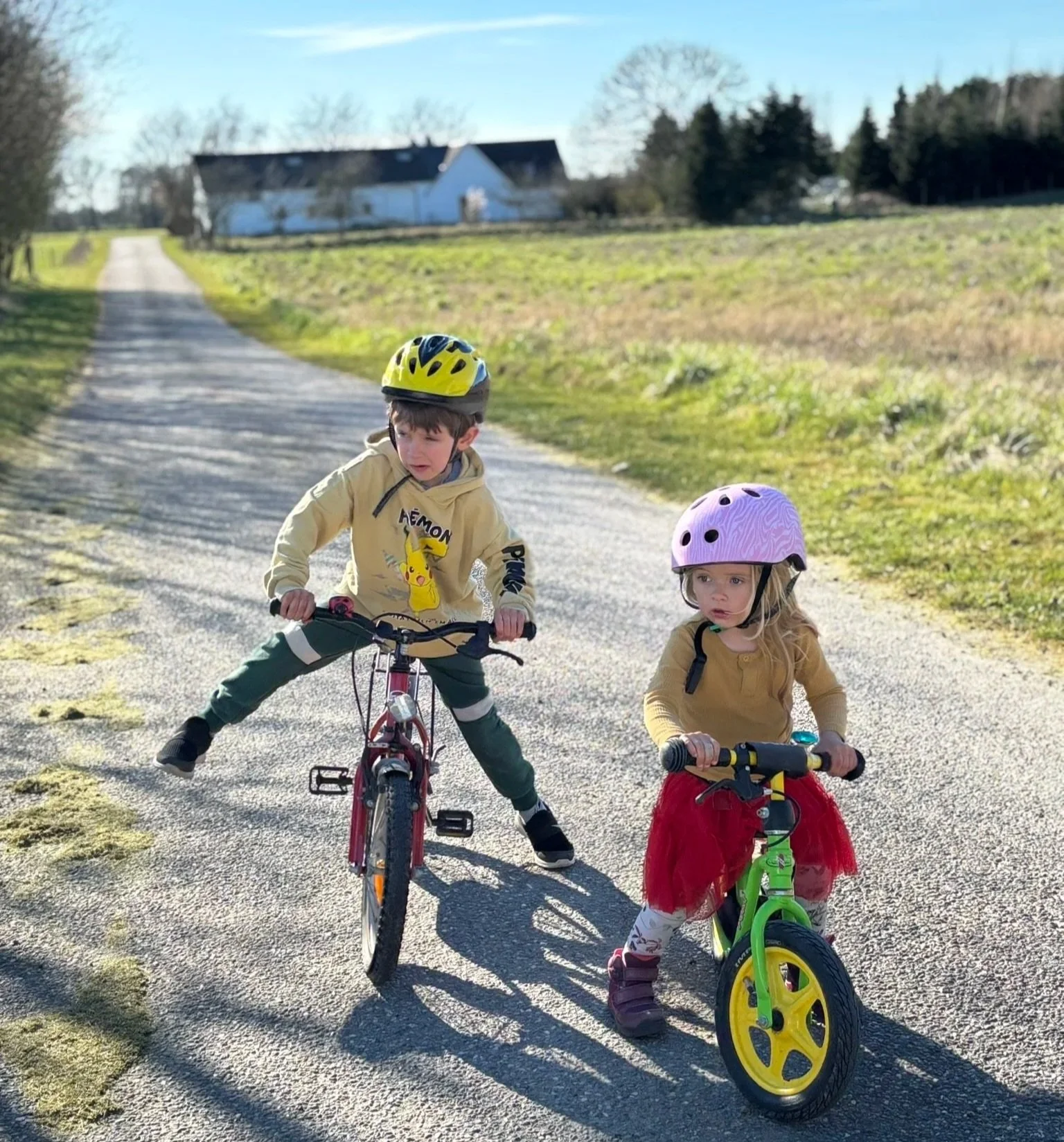
When I became a parent for the first time in 2018, I had already spent many years working with children’s language development. Yet I faced the exact same question that many international parents do when they have their first child: Which language should I pass on to my children? For me, the choice was clear. I wanted to speak the language that came most naturally to me — and that was, of course, English. Not only because it felt most natural, but also with a conscious desire to give my son — and later his sister — access to an important part of their heritage.
It has been a great joy to watch how easily my children communicate with their cousins whenever we visit Canada. For them, switching between languages comes naturally, and they integrate their Canadian roots beautifully into their own unique identities.
I am firmly convinced that passing on your own language is one of the greatest gifts you can give your children. My mission is to help other multilingual families achieve their goal of passing their language on to the next generation.